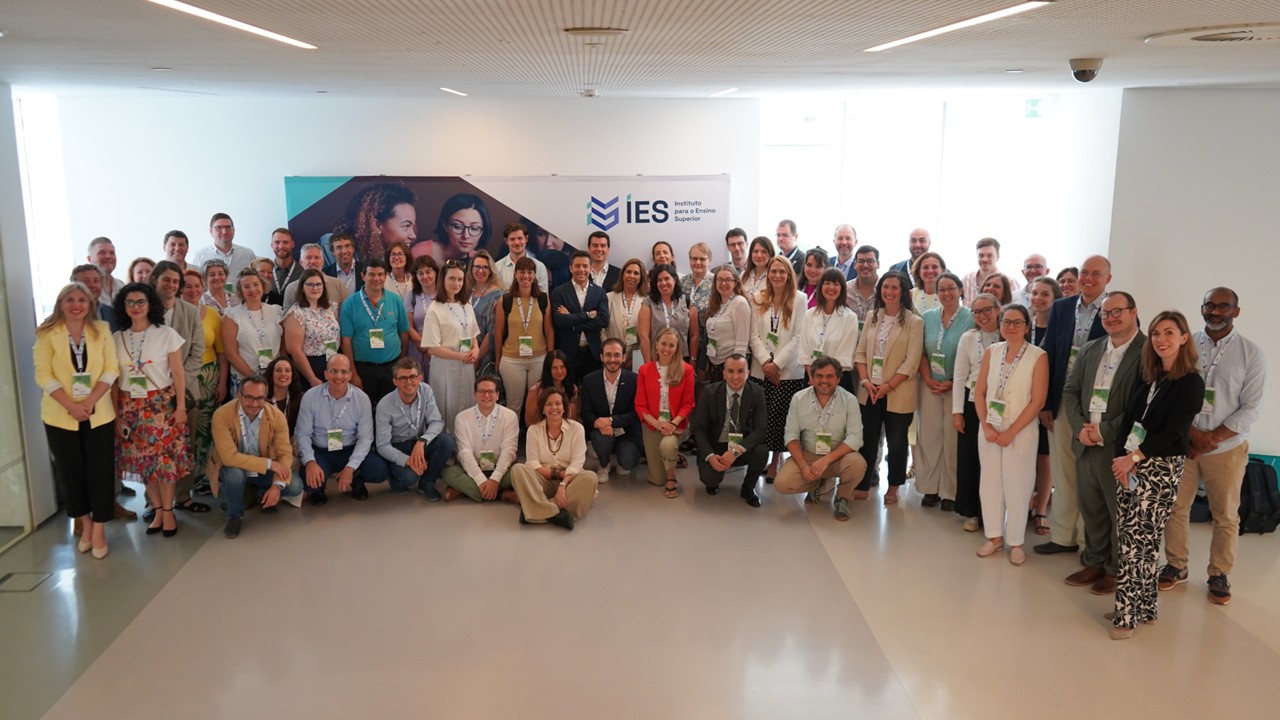
The Tróia Peninsula hosted the international conference “Economic Impact of Erasmus+ Student Mobility in Higher Education” on June 23rd and 24th. The event was organized by the Institute for Higher Education, IP, through the Erasmus+ Program, in partnership with the Academic Cooperation Association (ACA). The objective of the event was to analyze data and cross-reference perspectives on how student mobility in Higher Education contributes to the socio-economic development and progress of regions.
Day 1: Impact and Scientific Evidence
Cristina Perdigão, Vice-President of the Institute for Higher Education, IP, opened the session and stressed that, although the Erasmus+ Program was not created for economic purposes, reality shows that today it generates a financial and social impact in the countries that host students, becoming a pillar of economic valorization at the European level.
Following the opening, the session continued with a presentation by Giorgio Di Pietro, Associate Professor at Loyola University (Spain), who presented a study on the socioeconomic effects of student mobility, demonstrating how international experience affects the skills and career paths of young people.
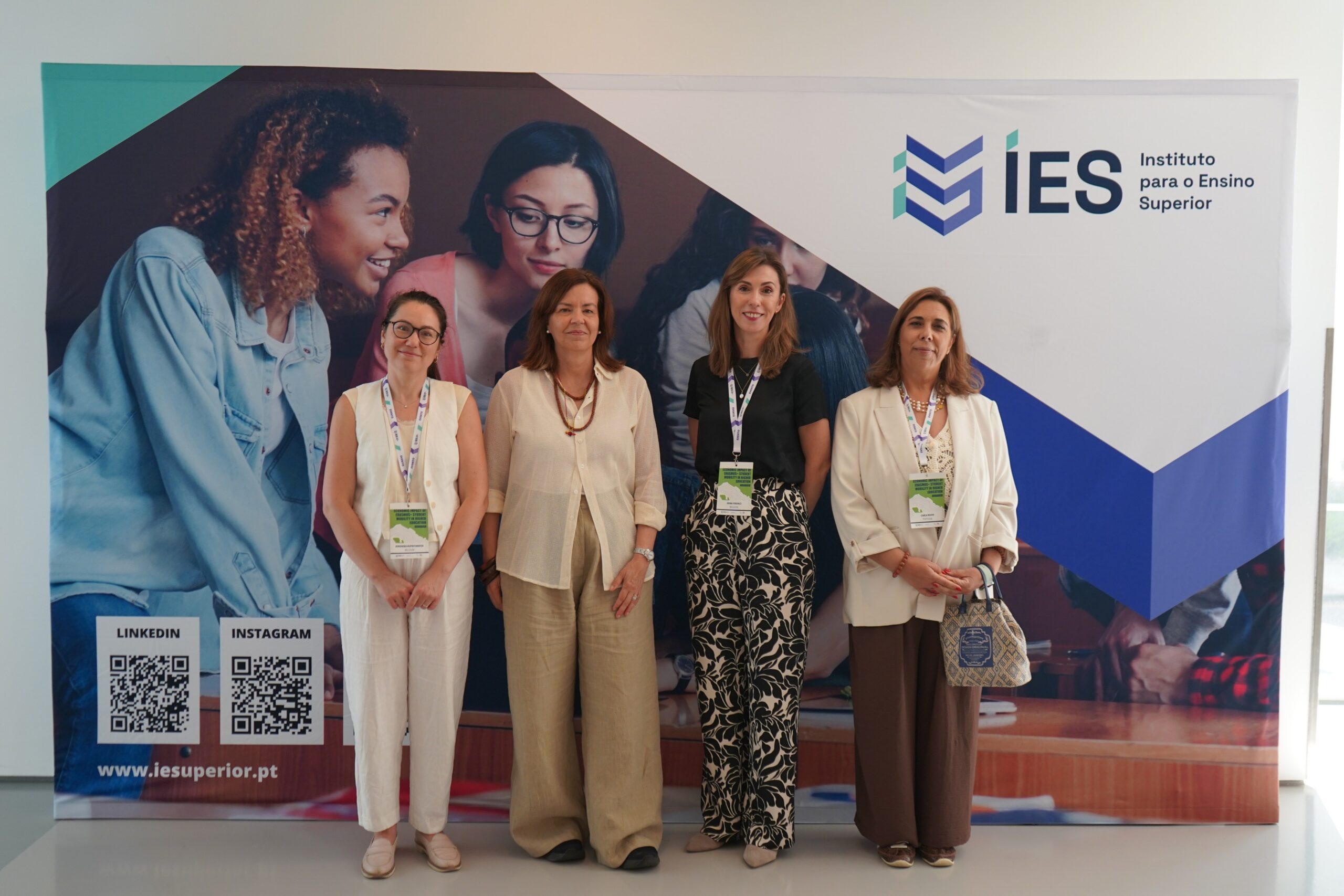
Next, Veronika Kupriyanova, Deputy Director of ACA, presented data on the economic value and political implications of student mobility based on national realities. The analysis provided comparative data from five countries—Croatia, Germany, Hungary, Serbia, and Portugal—highlighting how Erasmus+ is linked to local economies and public policies on education and employment. The first day concluded with a networking dinner and a visit to Herdade da Comporta.
Day 2: Local Strategies, Employability, and Housing in Higher Education
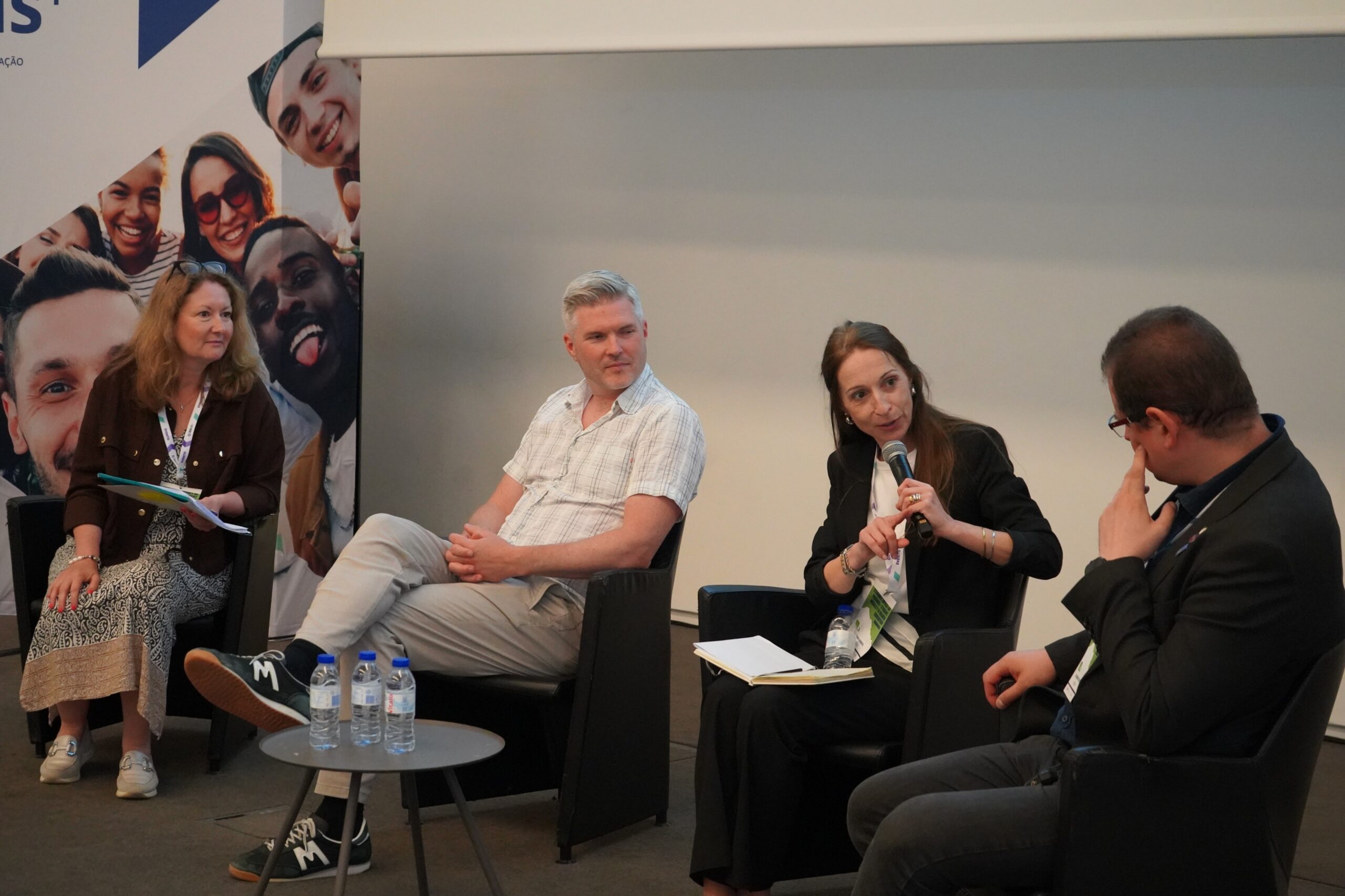
The second day of the conference began with the panel “Leveraging Erasmus+ mobility for social progress and economic growth”. Moderated by Irina Ferencz (ACA), the debate featured interventions by Wim Gabriels (ESN), John Edwards (EURASHE), Marina Steinmann (DAAD) and Olivier Marichalar (Campus France), who discussed how student mobility, by credit and degree, affects individuals, higher education institutions, national systems and the labor market.
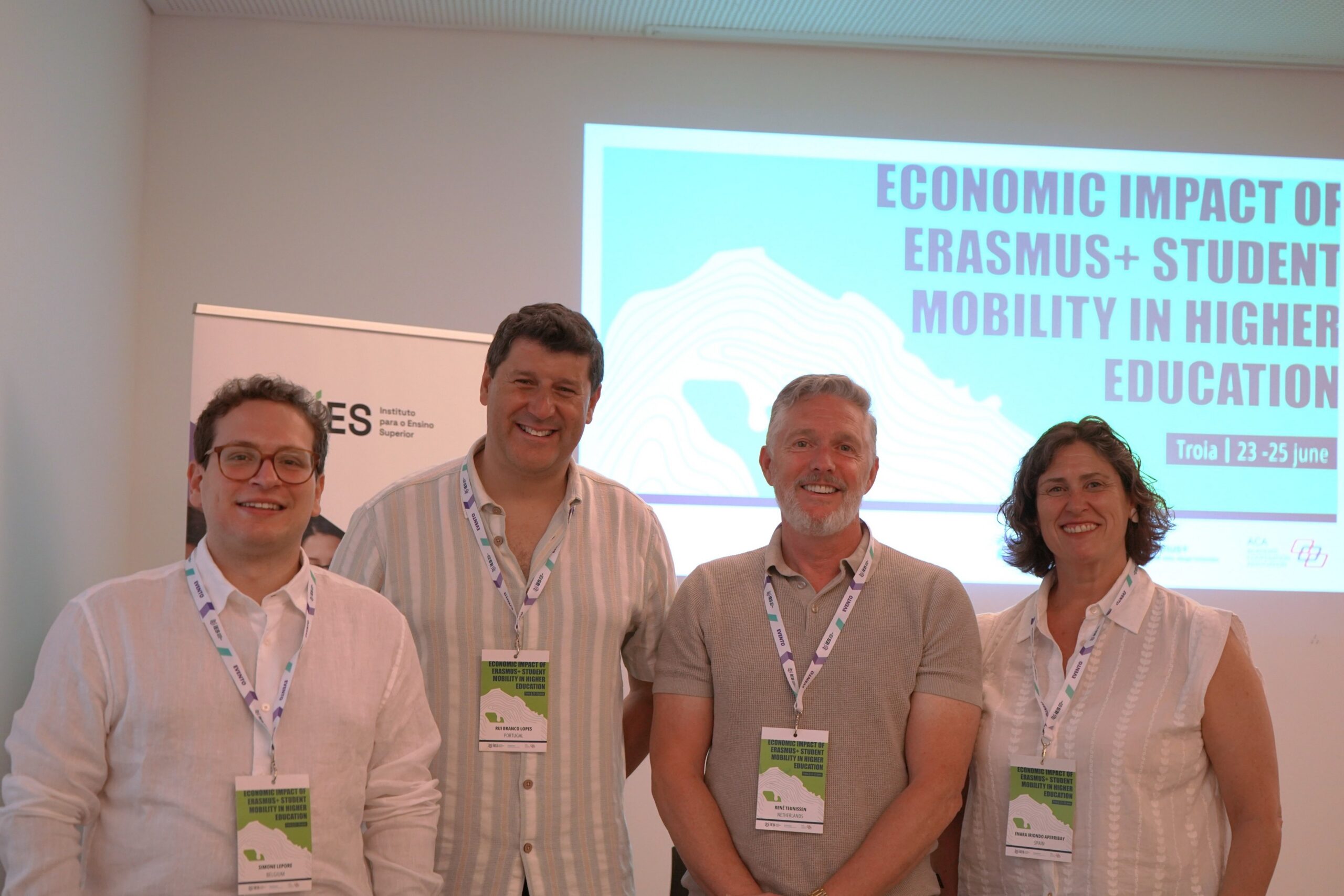
The work then divided into two parallel sessions focused on local and institutional strategies. Session 1 discussed student mobility as a driver of regional research and innovation ecosystems, with presentations by Einar Seime Stokka (Western Norway University of Applied Sciences), Norbert Sipos (University of Pécs), and Bárbara Coelho Gabriel (University of Aveiro), moderated by Antonija Gladović (AMPEU). Simultaneously, Session 2 addressed mobility in talent development and employability, with contributions from Enara Iriondo (IKASLAN), Rui Branco Lopes (Coimbra Health School), and René Teunissen (Erasmus University Rotterdam), moderated by Simone Lepore (ESN).
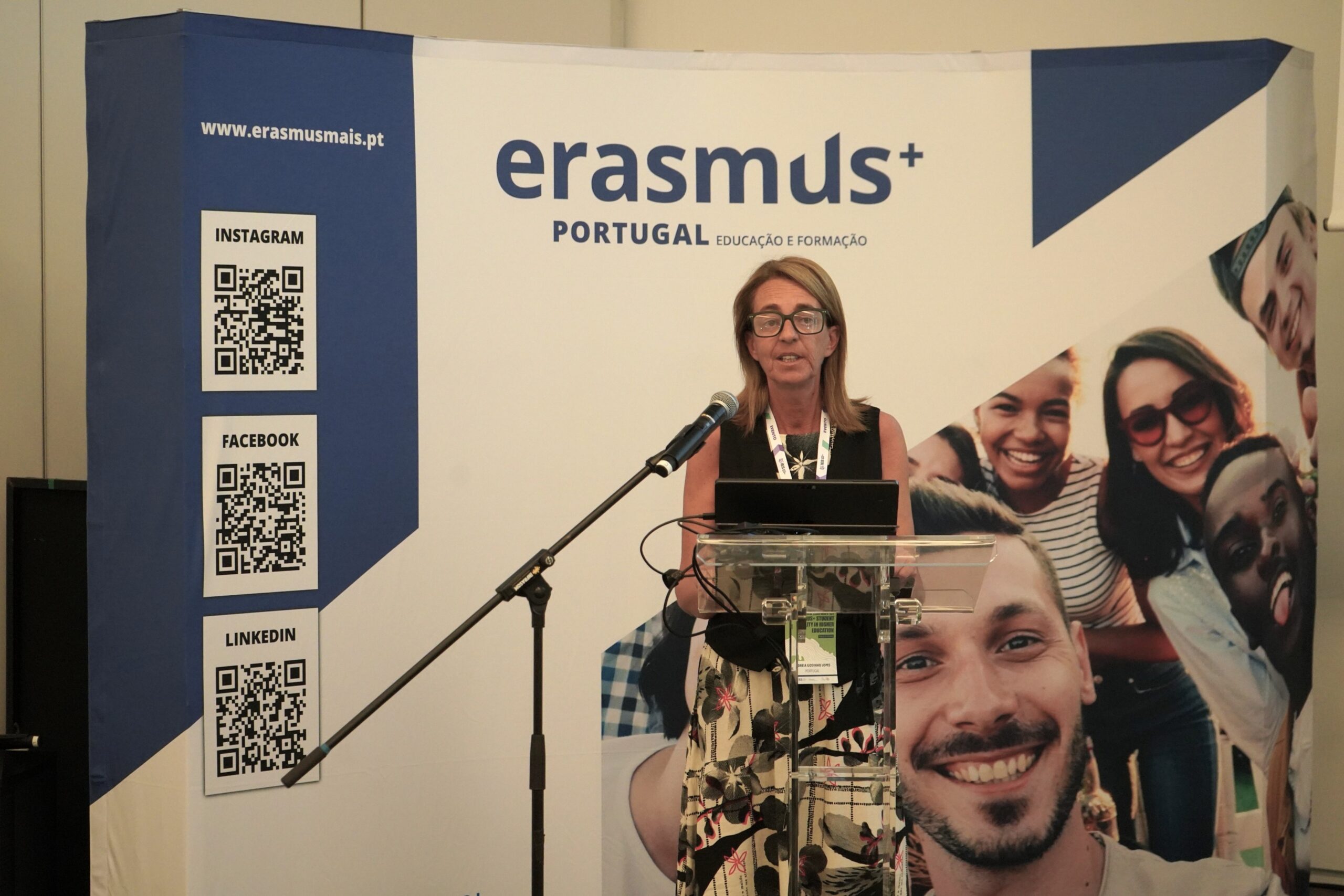
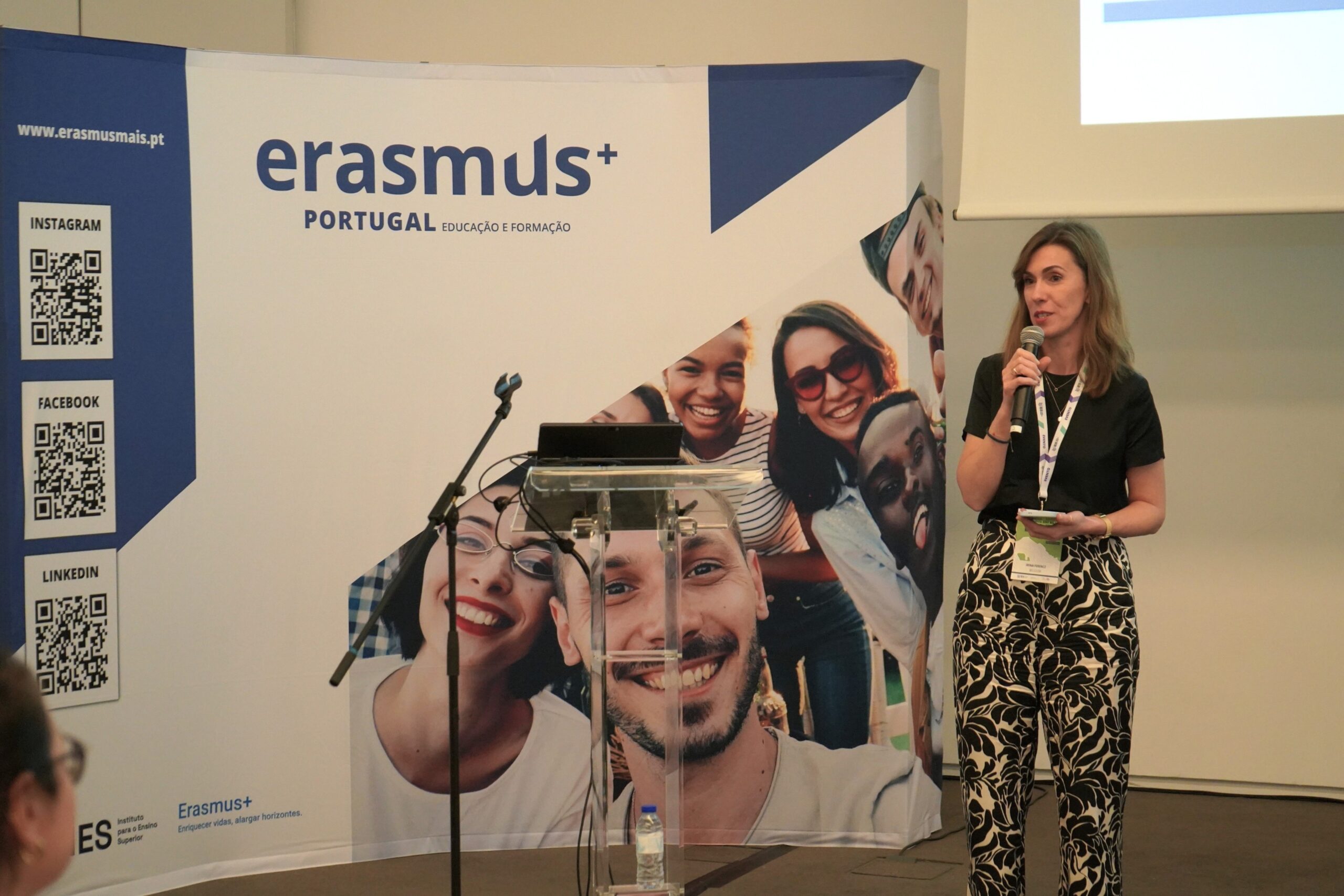
In the afternoon session, Andreia Godinho Lopes, from the Institute for Higher Education, IP, presented the Portuguese initiative focused on student support and housing. The closing of the technical program included the sharing of the main conclusions by Antonija Gladović and Simone Lepore, moderated by Veronika Kupriyanova, followed by the official closing by Irina Ferencz. The event ended with a boat trip around the Tróia Peninsula aimed at dolphin watching and continued institutional contacts.
The two days of work reinforced the idea that strategic planning for Higher Education is the element that allows academic mobility to be aligned with regional innovation, employability, and social development.
Publicado em Jun 25, 2026 | Atualizado em June 25, 2026